
What Are Sales Lead Recovery Services and How Do They Work in Australia

Missed calls, cold website enquiries and old quotes cost more than most businesses realise. A person who already raised their hand is often closer to buying than a brand-new prospect, but many of those leads are lost simply because the follow-up is too slow, too light, or too easy to miss.
Sales lead recovery services help Australian businesses reconnect with those missed, stalled or inactive enquiries before they disappear for good. The goal is simple: contact the right people, through the right channels, with the right message, while the interest is still warm enough to convert.
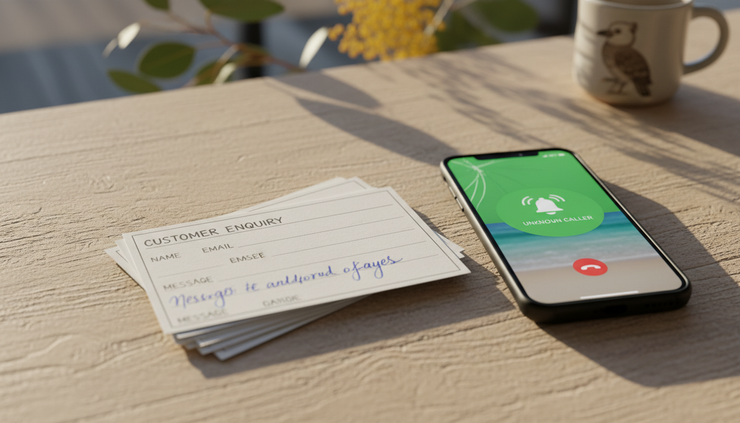
What is sales lead recovery?
Sales lead recovery is the process of re-engaging people who have shown interest in a product or service but have not yet converted.
These leads may have:
Submitted an online form
Called after hours
Asked for a quote
Downloaded a brochure
Visited a display location
Started an application
Booked a consultation but not attended
Gone quiet after an initial conversation
A recovered lead is not the same as a cold lead. There is already some intent. The person has given a signal that they may need help, pricing, advice or a next step.
That is why sales lead recovery can be so valuable. It focuses on people who already know enough to enquire, rather than starting from zero with a new audience.
In practical terms, sales lead recovery services in Australia usually involve calling, texting and emailing past or missed enquiries, then qualifying their interest and booking the next useful action. That might be a sales call, appointment, quote review, product demo, site visit, application completion or purchase conversation.
Why do good leads go cold?
Leads go cold for very ordinary reasons. Most are not a rejection of the business.
Common reasons include:
The first response took too long
The person missed the call and did not ring back
The email landed in promotions or spam
The lead was contacted once, then forgotten
The person was comparing options and got distracted
The quote needed a clearer explanation
The next step felt unclear
The business had no process for after-hours enquiries
The salesperson left, moved roles or became too busy
Australian buyers are also contacted by many providers. If one business responds once and another follows up clearly across several channels, the second business often wins the conversation.
A lead is rarely lost at the moment of enquiry. More often, it is lost in the days and weeks after, when the follow-up stops.
Which leads can be recovered?
Not every old enquiry is worth chasing, but many are. The best candidates are leads with clear intent, recent interest, or a known reason for not proceeding.
Yes, missed calls are often among the strongest recovery opportunities.
A person who calls usually wants something now. They may need pricing, availability, advice or reassurance. If the call is missed and nobody follows up quickly, they may simply call the next provider.
A recovery team can work through missed call logs, voicemail messages and call tracking data to identify who needs a response. Even if some callers no longer need help, the follow-up shows professionalism and can create future opportunity.
Yes. Website form leads are especially suitable for recovery when they were never reached or only received an automated reply.
These include:
Contact form submissions
Quote requests
Brochure downloads
Appointment requests
Chat enquiries
Abandoned booking forms
The faster the response, the better. But older website leads can still convert if the need remains active or the buying cycle is longer.
Often, yes. Old quotes are one of the most overlooked sources of sales.
A quote shows stronger intent than a general enquiry. The person has usually shared details, asked for pricing and considered a purchase. They may not have gone ahead because the timing was wrong, they had unanswered questions, or they needed a prompt.
A good recovery call does not pressure the person. It checks whether the project, service or purchase is still relevant and offers a useful next step.
Yes, especially when the CRM contains clear notes, dates and contact details.
Many businesses have hundreds or thousands of inactive contacts sitting in a CRM. Some have gone cold because no one owned the follow-up. Others were marked as “not ready” and never revisited.
Dormant CRM recovery works best when leads are segmented by age, source, product interest and previous outcome. A person who enquired last month should not receive the same message as someone who enquired two years ago.

How do sales lead recovery services work?
Sales lead recovery works best as a structured process rather than a random call-back list. The aim is to make every contact attempt useful, trackable and respectful.
What happens before contact starts?
The recovery team reviews the available lead data and groups contacts into practical segments.
This may include:
Lead source
Date of enquiry
Product or service interest
Previous contact attempts
Sales stage
Location
Value or likely value
Reason the lead stalled
This step matters because it shapes the message. A missed call from yesterday needs a different approach from a quote request sent six months ago.
Data also needs basic cleaning. Duplicates, invalid numbers and incomplete records should be removed where possible. For Australian businesses, this also means respecting privacy, consent and do-not-contact obligations.
How is the first contact made?
The first contact usually depends on the priority of the lead.
For high-intent or recent leads, a phone call is often the best starting point. It creates a direct conversation and allows the caller to answer questions in real time.
If the person does not answer, an SMS can make the reason for contact clear. An email can then provide detail, links, documents or appointment options.
The best recovery processes do not rely on one channel. People respond in different ways, at different times of day and in different buying moods.
What does a recovery conversation cover?
A strong recovery conversation is short, clear and helpful. It should not sound like a hard sales script.
The caller usually confirms:
Whether the person still needs the product or service
What stage they are at now
Whether they have chosen another provider
What questions remain
What would help them make a decision
The best next step
That next step may be booking a call, updating a quote, sending information, arranging a visit, restarting an application, or marking the lead as no longer active.
What happens after the contact attempt?
Every attempt should be recorded. This creates a clear history and stops leads from being over-contacted or forgotten again.
Good reporting shows:
How many leads were attempted
How many were reached
How many were still interested
How many booked a next step
How many were not ready
How many were invalid or unsuitable
Which channels worked best
This reporting helps the business improve future response times, sales scripts, CRM hygiene and lead source quality.
Why does follow-up matter so much?
Follow-up matters because buyer attention fades quickly. A person may be interested when they enquire, but life gets in the way. Work, family, competing quotes and simple forgetfulness all interrupt the buying process.
Many businesses assume silence means no interest. Often, it means the person was busy, uncertain or waiting for someone to make the next step easy.
Follow-up also builds trust. A clear message after an enquiry tells the person:
The business is organised
Their enquiry was seen
Help is available
There is a simple next action
They do not need to start again
One follow-up is rarely enough. People miss calls. SMS messages get read later. Emails are opened after hours. A planned sequence gives the lead more than one chance to respond without feeling chased.
What is Compound Marketing Services’ Power of Three™ approach?
Compound Marketing Services uses the Power of Three™ approach for lead recovery: phone, SMS and email working together.
Each channel plays a different role.
Channel | Best use | Why it works |
Phone | Direct qualification and booking | It creates a real conversation and handles questions quickly |
SMS | Fast prompts and simple replies | It is easy to read and useful when people cannot talk |
Detail, documents and next steps | It supports decisions with clear written information |
The strength is in the combination. A phone call may start the process. An SMS can explain who called and why. An email can provide the quote, link, booking option or supporting detail.
This avoids a common problem in lead follow-up, depending on one channel and assuming no response means no interest.
For example, a person may ignore an unknown number during work hours, read the SMS at lunch, then open the email that evening. The lead was not cold. They just needed a contact path that matched their day.
This can result in more incoming calls to the business to re-establish contact.

When does outsourcing sales lead recovery make sense?
Outsourcing to an Australian Sales Lead Recovery Specialist makes sense when leads are valuable, follow-up is inconsistent, or the internal team is already stretched.
It is especially useful when a business has:
High enquiry volume
Many missed calls or after-hours leads
A large CRM with inactive contacts
Salespeople who focus on closing rather than chasing
Seasonal spikes in demand
Multiple branches, territories or product lines
Poor visibility over lead outcomes
Slow speed to lead
A backlog of old quotes or incomplete applications
Outsourcing can also help when the business wants a neutral, consistent process. Internal teams may skip older leads because they assume they are not worth calling. A dedicated recovery team can work the list properly, record outcomes and identify hidden demand.
For many Australian businesses, this is not about replacing a sales team. It is about filling the gap between enquiry and sales-ready conversation. This is usually a great support to a sales team as they are able to focus more on closing sales than following up or sorting through old leads.
What should an Australian business look for in a recovery partner?
A sales lead recovery partner should be able to represent the business clearly and professionally. The work involves direct contact with people who already know the brand, so tone and accuracy matter.
Look for a provider that can:
Use phone, SMS and email as part of one process
Adapt scripts to the product, service and buyer journey
Qualify leads rather than just count calls
Book appointments or handovers cleanly
Work within Australian privacy and consent expectations
Provide clear reporting
Handle objections without pressure
Protect the customer experience
Share feedback that improves future lead handling
The right partner should also understand local buying behaviour. Sales lead recovery services in Australia need to account for time zones, public holidays, mobile-first communication and the direct but polite tone many Australian customers expect.
How can businesses improve recovery before outsourcing?
Even simple changes can lift recovery rates.
Start with these adjustments:
Respond to new leads as quickly as possible
Call more than once, at different times
Send a clear SMS after missed calls
Use email for useful detail, not generic follow-up
Record every attempt in the CRM
Set reminders for quotes that have not been accepted
Create lead stages that show what should happen next
Review missed calls weekly
Separate “not now” from “not interested”
The key is consistency. A basic process followed every day will usually beat an excellent process used only when someone has time.
What results should sales lead recovery focus on?
The best recovery work measures more than activity. Call volume matters, but outcomes matter more.
Useful measures include:
Contact rate
Response rate by channel
Number of leads qualified
Number of appointments booked
Quotes reactivated
Applications completed
Sales opportunities created
Reasons leads did not proceed
Revenue linked to recovered leads
Lead recovery should also reveal where leads are leaking. If many people say they never received a quote, that points to a process issue. If many say they chose a competitor because of response speed, that shows an urgent follow-up problem.
Good recovery is both a sales activity and a feedback loop.

FAQs about sales lead recovery services
Sales lead recovery services contact people who previously enquired but did not convert. The service may include calls, SMS, emails, lead qualification, appointment setting, quote follow-up and CRM updates.
How quickly should a business follow up with a new lead?
As soon as practical. Recent enquiries usually have higher intent, so fast follow-up gives the business a better chance of reaching the person before they choose another provider or lose interest.
Are old leads still worth contacting?
Some are. Old leads are worth contacting when they had clear intent, such as a quote request, missed call, application or consultation enquiry. The message should acknowledge timing and focus on whether the need is still active.
Is lead recovery the same as telemarketing?
No. Lead recovery focuses on people who have already shown interest or had a previous relationship with the business. Telemarketing often involves contacting cold lists. Lead recovery is warmer, more targeted and tied to a known enquiry.
Why use phone, SMS and email together?
People respond differently depending on where they are and what they are doing. Phone supports conversation, SMS prompts quick action, and email provides detail. Together, they give the lead more ways to respond.
What is the takeaway for Australian businesses?
Sales lead recovery turns missed opportunities into real conversations. It helps businesses reconnect with people who already showed interest, clarify what they need, and guide them to the next step.
The most effective approach is structured, respectful and multi-channel. Compound Marketing Services’ Power of Three™ approach, using phone, SMS and email, reflects how people actually respond. Some answer calls. Some reply to texts. Some need written detail before acting.
If enquiries are slipping through gaps, old quotes are sitting idle, or the CRM is full of quiet contacts, lead recovery is a practical place to start. The next sale may not need a new campaign. It may already be in the list.



Comments