
What Is Sales Lead Recovery and How Can It Reignite Dormant CRM Leads?

Most businesses are sitting on a quiet source of revenue they have already paid for: old enquiries, lost quotes, uncontacted form fills, stalled opportunities and dormant contacts buried in the CRM.
Some of those people chose a competitor. Some were never reached. Some were not ready at the time. Some simply went cold because life got busy. That does not mean they have no value.
Sales lead recovery is the process of re-engaging those past leads with a structured, respectful follow-up campaign. Done well, it helps businesses turn neglected data into new conversations, appointments and sales opportunities, often at a lower cost than buying fresh leads.
For Compound Marketing Services, the goal is simple: help businesses recover value from contacts they already own, using a clear outreach process that starts from $3 per contact.
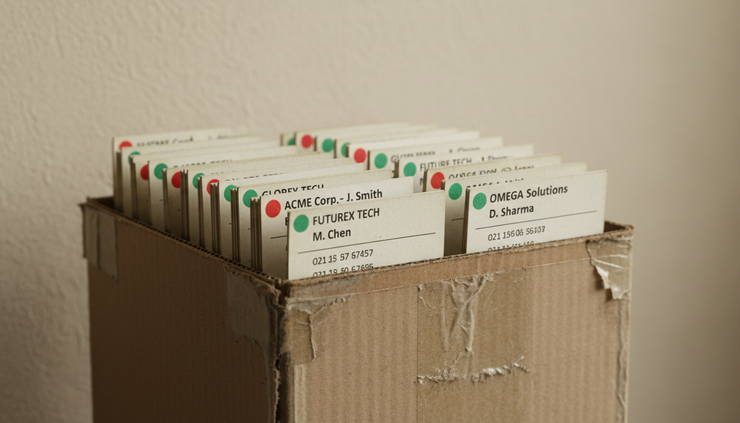
What sales lead recovery means
If you have ever asked, “what is sales lead recovery?”, think of it as a second chance system for your CRM.
It is not random cold calling. It is not spamming everyone who has ever filled out a form. It is a planned re-engagement process for contacts who have already shown some level of interest in a product or service.
These leads may include:
Old website enquiries that were never followed up properly
Quoted prospects who did not proceed at the time
Lost deals that may now be ready to revisit
Dormant customers who have not bought again
CRM contacts with incomplete sales notes
Event enquiries, call centre records or campaign leads
Prospects marked as “not now” rather than “never”
The key difference is intent. These people are not strangers pulled from a generic list. At some point, they raised a hand, asked a question, requested information, compared options or engaged with the business.
That history matters.
A lead that went cold six months ago may now have a new budget, a new problem, a new decision-maker or a stronger reason to act. A quote that was too expensive last year may be viable now. An enquiry that was missed during a busy week may still be open to a helpful call.
Sales lead recovery gives those contacts a clean, professional path back into conversation.
Why dormant CRM leads go cold
Leads rarely disappear for one reason. More often, a mix of timing, process and capacity gets in the way.
A business may generate enquiries faster than the sales team can respond. A staff member may leave and take relationship knowledge with them. A CRM may become cluttered with half-updated records. Leads may be marked as closed too early because the prospect did not answer the first call.
Common causes include:
Slow initial follow-up
No second or third contact attempt
Poor lead notes
No clear ownership inside the sales team
Seasonal demand changes
Long buying cycles
Price objections that were never revisited
Prospects doing research before they were ready
None of this means the lead is useless. It means the lead needs context, care and a better follow-up rhythm.
For many businesses, the CRM becomes a parking lot rather than a pipeline. Recovery turns it back into a working asset.
How the Power of Three™ works
Compound Marketing Services uses the Power of Three™ to bring structure to lead recovery.
The idea is straightforward: many dormant leads cannot be fairly judged after one attempt. People miss calls. Emails get buried. Text messages arrive at bad times. A single touchpoint often gives an incomplete picture.
The Power of Three™ uses three planned opportunities to reconnect, with each contact handled professionally and with a clear purpose.
The first contact reopens the conversation
The first outreach is designed to be simple, polite and relevant.
The contact may be reminded of a past enquiry, quote, booking request or service interest. The tone matters. It should feel helpful, not pushy.
A good first message might aim to confirm:
Whether the person is still interested
Whether their situation has changed
Whether they would like updated information
Whether they prefer not to be contacted again
This contact also helps clean the CRM. Wrong numbers, changed circumstances and opt-outs are useful outcomes because they improve data quality.
The second contact tests timing and intent
If the first attempt does not connect, the second contact gives the lead another fair chance to respond.
This stage often works because the person has now seen the business name once already. The second touch may arrive at a better time or through a more suitable channel, depending on the campaign.
The focus remains practical. No pressure. No exaggerated urgency. Just a clear reason to reply.
For example, a business might ask whether the prospect still wants an updated quote, wants to compare options, or would like to speak with someone before making a decision.
The third contact creates a clear next step
The third contact is not about chasing indefinitely. It is about creating closure.
At this point, the lead may be:
Ready to speak
Interested later
Not interested
Unreachable
No longer relevant
That outcome helps the business decide what to do next. Good recovery campaigns do not just produce warm conversations. They also separate valid opportunities from dead records.
The Power of Three™ works because it treats old leads as people with changing circumstances, not as rows in a spreadsheet.

What happens during a lead recovery campaign
A strong sales lead recovery campaign starts before anyone picks up the phone or sends a message.
The best results usually come from combining clean data, sensible segmentation and skilled human follow-up.
Lead data is reviewed and grouped
Not every old lead should receive the same approach.
A lost quote from two months ago is different from a form enquiry from three years ago. A past buyer is different from someone who never answered a call. Good segmentation helps tailor the message and set realistic expectations.
Useful segments may include:
Recent lost opportunities
Older dormant enquiries
Uncontacted leads
Past customers due for reactivation
Leads by product or service interest
Leads by state, region or service area
Leads by value, urgency or source
This stage also helps decide which records are worth recovering first.
Messaging is matched to the lead history
Recovery messaging should connect to the reason the lead entered the CRM in the first place.
If someone requested a bathroom renovation quote, they should not receive a vague “just checking in” message. If someone enquired about finance, insurance, solar, training, trades or a home service, the message should reflect that context.
Clear messaging builds trust. It also reduces confusion, especially when time has passed.
Contacts are handled with respect
Sales lead recovery is most effective when it respects consent, context and timing.
That means:
Using accurate records
Honouring opt-outs
Avoiding aggressive scripts
Making the purpose of contact clear
Giving people an easy way to say no
Recording outcomes properly
Good recovery improves the CRM even when a lead does not convert. It leaves the business with cleaner data and clearer next steps.
The key benefits of sales lead recovery
Recovered leads can support sales growth in several practical ways.
It makes better use of money already spent
Most CRM leads cost money to generate. A business may have paid for search ads, referral campaigns, events, website content, call handling, sales staff or lead suppliers.
When old leads sit untouched, part of that investment is wasted.
Lead recovery helps extract more value from past spend before committing more budget to new acquisition.
It can reduce the cost per opportunity
Buying fresh leads often carries a higher upfront cost, especially in competitive industries. New leads may also be shared, broad, low intent or early in the research stage.
Recovered leads are different. The business already owns the data. The main cost is the outreach process.
With Compound Marketing Services pricing starting from $3 per contact, recovery can be a cost-effective way to test whether old data still contains real opportunities.
That does not mean every contact will become a sale. No honest provider should promise that. The value lies in reopening conversations at scale and identifying which contacts are still commercially useful.
It supports sales teams without overloading them
Internal sales teams are often focused on today’s enquiries, active quotes and current customers. Dormant CRM work gets pushed down the list because it takes time and discipline.
A lead recovery campaign gives the sales team cleaner opportunities to work with. Instead of asking salespeople to trawl through old records, recovery identifies who is engaged, who needs a call-back and who can be removed from future follow-up.
It improves CRM quality
Old CRMs often contain duplicates, invalid numbers, stale email addresses and unclear notes.
Recovery creates fresh information. The business can update contact status, interest level, timing, objections and preferred next steps.
That data has value beyond the immediate campaign. It improves future sales forecasting, marketing planning and customer follow-up.

Which industries are well suited to lead recovery
Sales lead recovery can work across many Australian industries, especially where enquiries have clear commercial intent and sales cycles can stretch over weeks or months.
It is often suited to businesses in:
Home improvement and renovations
Solar, batteries and energy services
Finance, lending and insurance
Education and training providers
Real estate and property services
Automotive sales and aftermarket services
Health, wellness and allied services, where contact rules are followed carefully
Professional services
Trades and maintenance
Travel, events and lifestyle services
Subscription and membership businesses
The strongest fit is usually where the business has:
A meaningful database of past leads
A product or service with enough value to justify follow-up
Clear records of what people enquired about
A sales team or booking process ready to handle responses
A reason for old prospects to reconsider
Lead recovery is less useful when records are extremely poor, consent is unclear, the offer has changed beyond recognition, or the business cannot respond quickly to renewed interest.
Sales lead recovery compared with buying new leads
Buying new leads still has a place. Businesses need fresh demand, especially when entering new markets or launching new offers. The issue is balance.
Many companies buy more leads while ignoring the ones already sitting in their CRM.
The comparison is not always simple, but the differences are clear.
Factor | Sales lead recovery | Buying new leads |
Starting point | Existing contacts who have shown past interest | New contacts from an external or fresh source |
Data ownership | The business usually already owns the records | Ownership and exclusivity vary by provider |
Cost structure | Outreach cost, from $3 per contact with Compound Marketing Services | Often higher per lead, depending on industry and quality |
Intent level | Based on previous enquiry or relationship | Varies widely |
Speed to launch | Can start once data is reviewed and prepared | Depends on source, campaign setup or supplier delivery |
CRM impact | Cleans and updates existing records | Adds more records to manage |
Main risk | Data may be too old, incomplete or no longer relevant | Leads may be low quality, duplicated or shared |
The smartest approach is often not choosing one over the other. It is using both in the right order.
Before increasing spend on new leads, check whether the CRM contains recoverable value. If old records can produce conversations, quotes or bookings at a lower cost, that can improve total sales efficiency.
Then new lead generation can continue with a cleaner system behind it.
What makes a recovery campaign successful
Lead recovery is simple in concept, but execution matters.
A strong campaign needs more than a list and a script. It needs discipline, empathy and accurate reporting.
The offer must still make sense
If the original service is no longer available, the business needs a relevant reason to contact the lead.
That might be an updated quote, a new appointment window, a seasonal reminder, a changed package, a rate review or a simple check-in based on the original enquiry.
The message should answer the unspoken question, “Why are you contacting me now?”
The handover process must be clear
When a recovered lead says yes, speed matters.
Before launching a campaign, the business should know:
Who receives warm responses
How quickly call-backs happen
What information gets passed on
How appointments are booked
How outcomes are tracked
What counts as a qualified opportunity
Without this, recovered interest can go cold again.
Reporting must separate activity from value
High activity is not the same as strong results.
Useful reporting should show outcomes such as:
Contacts reached
Invalid or unusable records
Not interested responses
Call-back requests
Appointment opportunities
Quote requests
Sales handovers
Notes for future follow-up
This gives the business a clear view of what the CRM is worth and what should happen next.

How Compound Marketing Services can help
Compound Marketing Services helps businesses re-engage old, lost, uncontacted and dormant CRM leads through structured outreach.
The service is designed for businesses that want to find out what value is still sitting in their database without pulling their internal team away from active sales work.
Campaigns can support:
Old lead reactivation
Lost quote follow-up
Dormant customer re-engagement
Uncontacted enquiry recovery
CRM clean-up and outcome tagging
Warm lead identification for sales teams
With pricing from $3 per contact, businesses can start with a defined batch of leads, measure outcomes and decide whether to expand from there.
The best starting point is usually a sample of leads with enough history to guide the outreach. From there, Compound Marketing Services can help apply the Power of Three™ approach and report back on which contacts are ready for the next step.
Recover the value already inside your CRM
Dormant leads are not guaranteed sales. Some will have moved on, bought elsewhere or lost interest. That is normal.
But many businesses never find out because those contacts are left untouched for months or years.
Sales lead recovery gives old enquiries a structured second chance. It helps clean the CRM, reduce waste, support the sales team and uncover opportunities that may otherwise stay hidden.
If your business has a database of old, lost, uncontacted or dormant leads, now is the time to put it to work.

Comments