
How to Identify Signs That a Property Owner May Be Planning to Sell


Knowing when a property owner is preparing to sell can give buyers and real estate professionals a valuable edge. Understanding the buying and selling lifecycle, recognizing subtle signs, and asking the right questions can uncover opportunities before a property hits the market. This guide explains how to spot these signals, why some vendors delay listing, and how proactive follow-up can reveal future sales. It also introduces the Compound Sales Lead Recovery & Intelligence System™ and the Power of Three™ Sales Lead Recovery Method as effective tools for reconnecting with potential sellers.

Understanding the Buying and Selling Lifecycle
The property market follows a cycle that involves several stages for both buyers and sellers. Recognizing where a homeowner is in this cycle helps predict if they are likely to sell soon.
Pre-Listing Stage: The owner starts considering selling but has not yet taken action. They may research market conditions or consult agents.
Preparation Stage: The homeowner begins preparing the property for sale, such as making repairs or decluttering.
Listing Stage: The property is officially listed on the market.
Sale Stage: Offers are received, negotiations occur, and the sale is finalized.
Post-Sale Stage: The owner moves out, and the transaction closes.
Buyers and agents who understand these stages can identify early signals and position themselves advantageously.
Signs That a Homeowner May Be Preparing to Sell
Some signs are obvious, like a "For Sale" sign, but many indicators are more subtle. Here are key signs that suggest a property owner might be planning to sell:
Increased Property Maintenance
Owners often start fixing up their home to boost appeal. Look for fresh paint, landscaping, or new fixtures.
Reduced Personalization
Removing personal items, family photos, or unique decorations can indicate the owner is depersonalizing the space for showings.
Frequent Visitors or Inspections
Real estate agents or contractors visiting the property regularly may signal preparation for listing.
Changes in Behavior
Owners may be less available or more secretive about the property, avoiding detailed questions.
Market Research Activity
Homeowners might ask neighbors about recent sales or check online listings frequently.
Financial or Life Changes
Signs of downsizing, job relocation, divorce, or inheritance can prompt a sale.
Unusual Activity Around the Property
Moving boxes, storage rentals, or even a sudden increase in home security measures can be clues.
Common Reasons Vendors Delay Listing Their Property
Even when owners intend to sell, many delay listing for various reasons:
Market Uncertainty
Owners may wait for better market conditions or higher prices.
Emotional Attachment
Sentimental value can make it hard to let go, causing hesitation.
Financial Concerns
Worries about mortgage payoff, capital gains tax, or buying another home first can stall decisions.
Property Condition
Owners might delay until repairs or renovations are complete.
Timing Issues
Personal schedules, family events, or waiting for school terms to end can affect timing.
Understanding these reasons helps agents and buyers approach owners with empathy and tailored solutions.
Qualification Questions to Ask Property Owners
When you suspect a homeowner might sell, asking the right questions can clarify their intentions and timeline. Here are some effective questions:
"Have you thought about selling your property in the near future?"
"What would be your ideal timeframe for listing your home?"
"Are there any improvements or repairs you plan to make before selling?"
"What are your main reasons for considering a sale?"
"Have you spoken with any real estate agents yet?"
"What concerns do you have about selling your property?"
"Would you like to receive updates on market trends or property values in your area?"
These questions open dialogue and build trust, helping you gather valuable information.
How Proactive Follow-Up Uncovers Future Listings
Many potential sellers do not list immediately but remain open to offers or market updates. Consistent, respectful follow-up can keep you top of mind when they decide to sell.
Regular Check-Ins
Schedule periodic calls or emails to ask about changes in their plans.
Provide Value
Share market insights, recent sales data, or tips on preparing a home for sale.
Use Multiple Channels
Combine phone calls, emails, and even direct mail to maintain contact.
Track Interactions
Keep detailed notes on conversations and property status to tailor future outreach.
Be Patient and Persistent
Some sellers take months or years before listing. Staying connected increases chances of success.
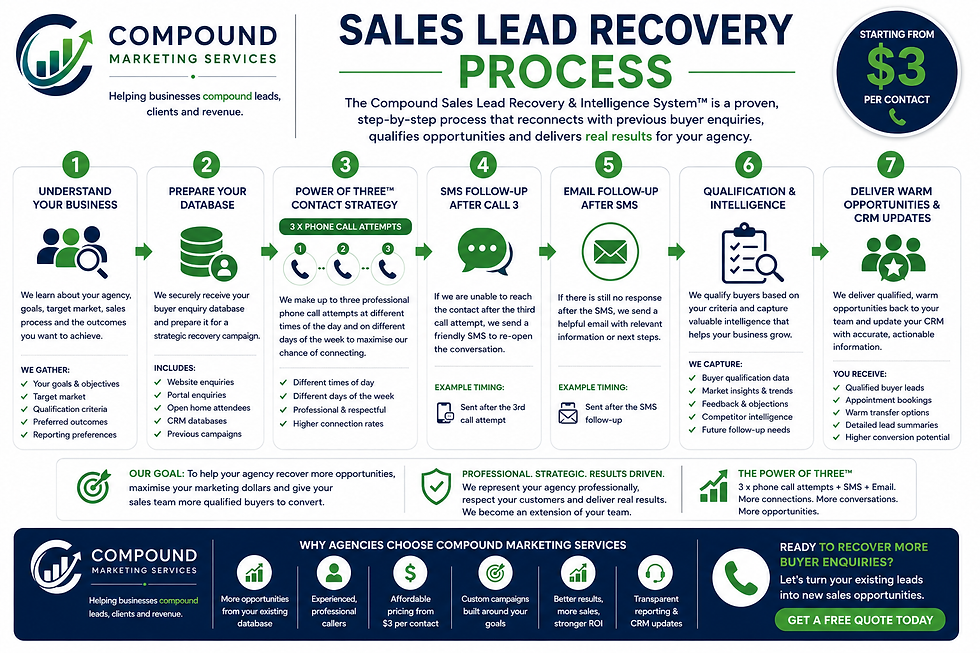
Introducing the Compound Sales Lead Recovery & Intelligence System™
The Compound Sales Lead Recovery & Intelligence System™ is designed to help real estate professionals reconnect with previous vendor enquiries and uncover hidden sales opportunities. This system combines data tracking, automated follow-ups, and personalized communication to nurture leads over time.
Key benefits include:
Centralized Lead Management
Keep all vendor contacts and interactions in one place.
Automated Follow-Up Sequences
Schedule messages that adapt based on responses.
Intelligence Gathering
Analyze lead behavior and market trends to prioritize outreach.
Improved Conversion Rates
Turn cold or dormant leads into active listings.
Using this system helps agents stay organized and proactive, increasing the chances of identifying sellers early.
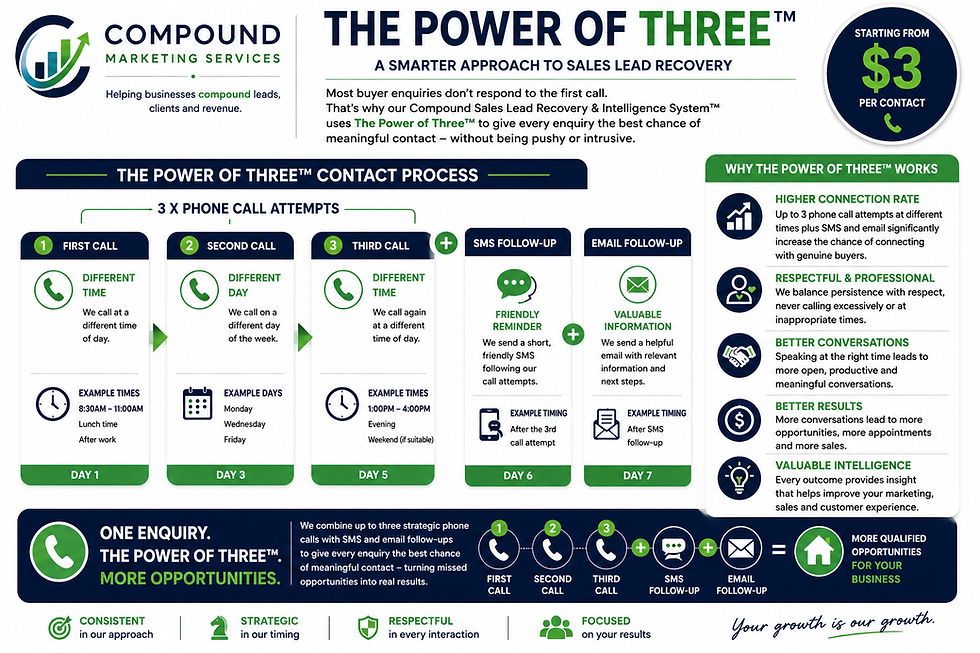
The Power of Three™ Sales Lead Recovery Method
The Power of Three™ Sales Lead Recovery Method complements the system by focusing on three strategic touchpoints to reconnect with potential sellers:
Initial Contact
Reach out soon after the first enquiry to establish rapport.
Follow-Up Message
Send a second message with useful information or market updates.
Personalized Check-In
Make a final contact attempt tailored to the lead’s specific situation.
This method balances persistence with respect, avoiding overwhelming potential sellers while maintaining engagement.
Identifying whether a property owner is planning to sell requires attention to detail, patience, and strategic communication. By understanding the selling lifecycle, recognizing subtle signs, asking thoughtful questions, and following up consistently, you can uncover opportunities before they become public. Tools like the Compound Sales Lead Recovery & Intelligence System™ and the Power of Three™ Sales Lead Recovery Method provide structured ways to manage and nurture leads effectively.
If you want to stay ahead in the property market, start observing these signs today and consider integrating these systems into your lead management process. The next property sale could be just a conversation away.
If you are interested in using our sales lead recovery services contact us today!



Comments