
How to Determine if a Property Appraisal is Necessary for Your Real Estate Clients

When homeowners think about selling their property, many jump straight to listing it on the market. But a crucial step often overlooked is getting a property appraisal. Knowing whether a prospect needs a property appraisal can save time, avoid surprises, and open doors to future opportunities. This guide explains why homeowners seek appraisals early, what questions to ask, how appraisals lead to future listings, common agency mistakes, and how Sales Lead Recovery can help identify homeowners ready for an appraisal. Along the way, you’ll learn about Compound Marketing Services and the Compound Sales Lead Recovery & Intelligence System™, including the Power of Three™ Sales Lead Recovery Method.
Why Homeowners Seek Property Appraisals Early
Many homeowners request appraisals long before they plan to sell. This early step helps them understand their property's current market value and make informed decisions. Here are some common reasons:
Planning for the future: Homeowners want to know their equity and potential sale price to plan finances or retirement.
Refinancing or loan purposes: An appraisal is often required to refinance a mortgage or secure a home equity loan.
Estate planning: Accurate property values help with wills, trusts, or inheritance planning.
Curiosity about market trends: Homeowners may want to see how their property value has changed over time.
By recognizing these motivations, real estate professionals can better tailor their approach and timing for offering appraisal services.
Key Questions to Ask When Determining if an Appraisal is Needed
When engaging with a prospect, asking the right questions reveals whether an appraisal is necessary. Consider these:
Are you considering selling your property soon?
If yes, an appraisal can set realistic expectations.
Have you had your property appraised recently?
If it’s been over a year, a new appraisal might be needed due to market changes.
Are you refinancing or applying for a loan?
This often requires a formal appraisal.
Do you want to understand your home’s current market value?
Some homeowners want a snapshot without immediate plans to sell.
Are you planning any major renovations or improvements?
Knowing the current value helps measure return on investment.
These questions help identify prospects who will benefit from an appraisal and position you as a trusted advisor.
How Appraisals Generate Future Listings
An appraisal is more than a number; it’s a conversation starter and a relationship builder. Here’s how appraisals lead to future listings:
Builds trust and credibility: Providing a professional appraisal shows expertise and care.
Creates a sense of urgency: If the appraisal reveals a favorable market, homeowners may decide to sell sooner.
Opens doors for follow-up: Regular check-ins after an appraisal keep you top of mind.
Identifies motivated sellers: Some homeowners only realize they can sell for a good price after an appraisal.
Encourages referrals: Satisfied clients often recommend your services to friends and family.
By offering appraisals proactively, agencies can create a pipeline of future listings and deepen client relationships.
Common Mistakes Agencies Make Regarding Property Appraisals
Many agencies miss opportunities by mishandling appraisals. Avoid these pitfalls:
Waiting too long to suggest an appraisal: Delaying can lose prospects to competitors.
Failing to educate homeowners: Not explaining the appraisal’s benefits leaves prospects uncertain.
Using generic appraisal services: Low-quality or slow appraisals damage reputation.
Ignoring follow-up after appraisal delivery: Without follow-up, leads go cold.
Not integrating appraisal data into marketing: Missing chances to tailor offers based on appraisal insights.
Avoiding these mistakes improves client experience and increases chances of converting appraisals into sales.

An accurate appraisal can turn a simple 'For Sale' sign into a successful sale.
How Sales Lead Recovery Identifies Homeowners Ready for an Appraisal
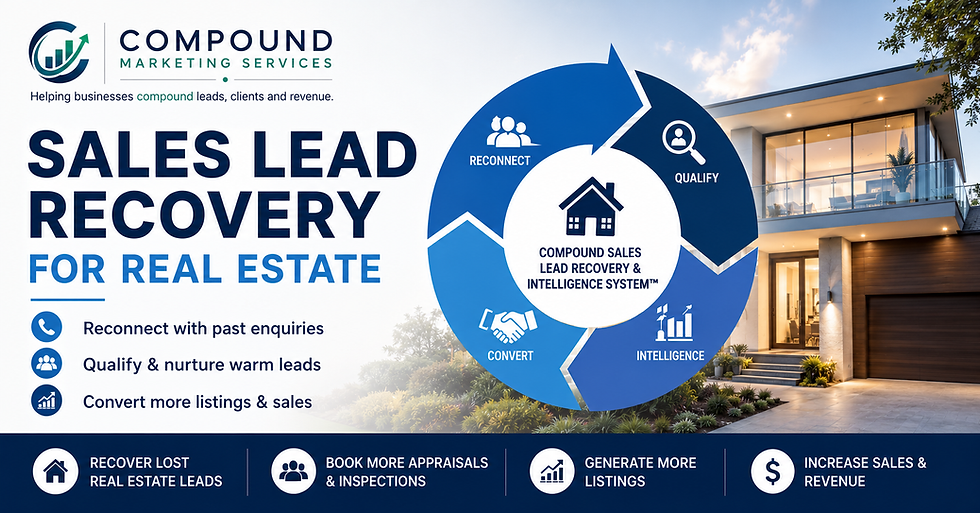
Sales Lead Recovery is a powerful tool that helps agencies find homeowners in their current databases who are ready for an appraisal now, not later. Here’s how it works:
Data-driven insights: It analyzes public records, market trends, and homeowner behavior to spot appraisal needs.
Targeted outreach: Agencies can reach prospects with personalized messages about appraisal benefits.
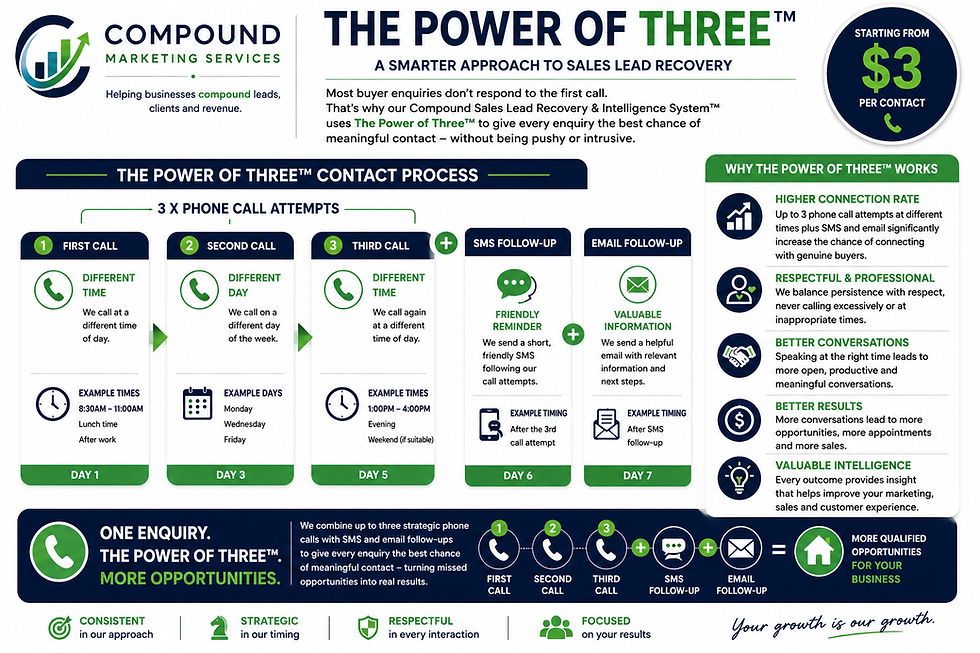
Power of Three™ Sales Lead Recovery Method: This method involves three strategic contact points—initial outreach, follow-up, and final engagement—to maximize lead conversion.
Tracking and intelligence: The system tracks responses and adapts strategies based on homeowner interest.
Integration with Compound Marketing Services: Combining lead recovery with marketing campaigns ensures consistent messaging and brand presence.
Using these tools, agencies can efficiently connect with prospects who are most likely to request appraisals, turning leads into listings.
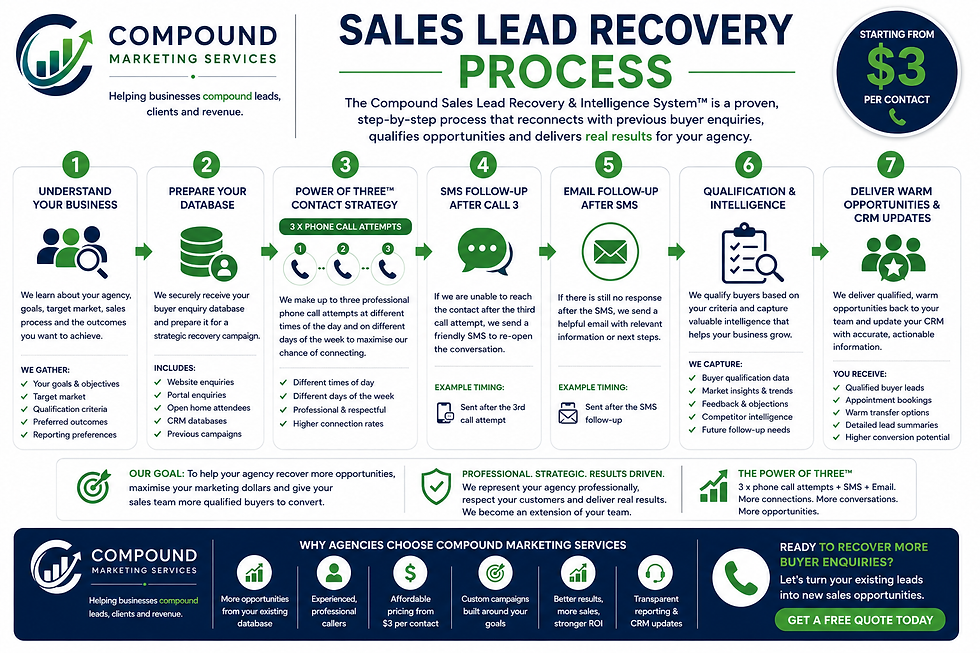
Introducing Compound Marketing Services and the Compound Sales Lead Recovery & Intelligence System™
Compound Marketing Services offers a comprehensive approach to real estate marketing, focusing on data, personalization, and consistent engagement. Their Compound Sales Lead Recovery & Intelligence System™ is designed to:
Identify homeowners ready for appraisals and sales.
Use the Power of Three™ method to nurture leads effectively.
Provide actionable intelligence to refine marketing strategies.
Integrate seamlessly with existing agency workflows.
This system helps agencies avoid common appraisal-related mistakes and build a steady stream of qualified leads.
Practical Tips for Real Estate Agents to Determine Appraisal Needs
To apply these insights, real estate agents should:
Ask targeted questions during initial contact to gauge appraisal interest.
Offer free or discounted appraisal consultations to encourage engagement.
Educate homeowners on appraisal benefits through blogs, emails, or webinars.
Use Sales Lead Recovery tools to identify and prioritize prospects.
Follow up consistently using the Power of Three™ method to maintain interest.
Leverage appraisal data to customize marketing offers and demonstrate value.
These steps help agents position themselves as trusted advisors and increase appraisal requests.
Avoiding Pitfalls When Offering Appraisals
To maintain professionalism and trust:
Always use certified appraisers with local market knowledge.
Set clear expectations about appraisal timelines and costs.
Communicate appraisal results clearly and offer next steps.
Respect homeowner privacy and data security.
Use appraisal insights to provide honest advice, not just sales pitches.
This approach builds long-term relationships and encourages referrals.
Final Thoughts on Determining the Need for a Property Appraisal
Understanding when a prospect needs a property appraisal is key to successful real estate engagement. Early appraisals help homeowners plan, create opportunities for agents, and build trust. Asking the right questions, avoiding common mistakes, and using tools like Sales Lead Recovery and the Compound Sales Lead Recovery & Intelligence System™ can transform appraisal offers into future listings.
If you want to grow your real estate business by connecting with homeowners ready for appraisals, consider integrating these strategies and tools. Start by reaching out to prospects with clear, helpful information about appraisals and follow up using the Power of Three™ method. This focused approach will help you build lasting client relationships and increase your listings.
If you would like to find out more about lead recovery contact us today!
Disclaimer: This blog post is for informational purposes only and does not constitute legal, financial, or real estate advice. Consult a professional for specific guidance.
Comments