
How Much Should Australian Businesses Pay for Qualified Sales Leads?

Paying for leads can feel simple until the quotes arrive. One provider offers a low cost per lead. Another charges several times more. A third talks about exclusive leads, verified intent, call recordings and appointment setting. On paper, they all sound like “sales leads”, but they are rarely the same thing.
For many Australian businesses, a realistic general guide is $50 to $250 per qualified lead. Some leads may sit outside that range, but this is a useful starting point for planning. The real question is not “What is the cheapest lead I can buy?” It is “What lead cost still gives us a strong return after we convert those leads into revenue?”
That distinction matters. A $50 lead that never answers the phone is expensive. A $200 lead that becomes a $5,000 job may be excellent value.

What counts as a qualified sales lead?
A lead is not automatically qualified because someone filled out a form or clicked a button. A qualified lead has enough relevant information to suggest a genuine sales opportunity.
For most businesses, that means the lead includes clear details such as:
The person’s name and contact details
The service or product they are interested in
Their location or service area
A rough timeline
Enough context to understand whether they are a fit
Some sign of intent, such as requesting a quote, booking a call or asking a specific question
A better qualified lead may go further. It might confirm budget, urgency, property type, project size, decision-maker status, or whether the enquiry is exclusive to one business.
This is why comparing lead prices without comparing lead quality can be misleading. One provider may sell a name and phone number. Another may supply an exclusive enquiry from someone ready to book. Both may be called a lead, but they carry very different commercial value.
When asking how much to pay, start by defining what your business means by qualified. The more qualification required before the lead reaches your team, the more work goes into producing it.
The general cost range for qualified leads in Australia
As a broad guide, many Australian businesses should expect to pay around $50 to $250 per qualified lead.
That range covers a lot of different situations. At the lower end, the lead may have basic qualification and moderate buying intent. At the higher end, the lead may be more specific, more competitive, harder to source, or closer to making a purchase decision.
This guide is not a fixed rate card. It should not be treated as an industry-by-industry price list. Lead costs change based on the campaign, the offer, the audience and the level of qualification required.
A simple way to think about the range is this:
Lead cost guide | What it often reflects |
Around $50 to $100 | Broader targeting, simpler qualification, higher volume potential |
Around $100 to $180 | More specific requirements, stronger intent, better filtering |
Around $180 to $250 | Higher competition, tighter criteria, more sales-ready enquiries |
The right price sits where quality, conversion rate and profit meet. If a business wins one in four leads and the average sale delivers healthy profit, the acceptable cost per lead may be much higher than a business that wins one in twenty.
That is why qualified sales leads in Australia should always be judged by return, not just sticker price.
Why lead costs vary so much
Lead generation is affected by supply and demand, just like many other parts of business. Some leads are easy to produce at scale. Others require more targeting, more testing and more qualification.
The biggest pricing factors usually include industry, qualification, target area, competition, intent and volume.
Industry affects demand and conversion value
Different sectors have different levels of competition and different customer values. A lead for a low-cost, one-off service does not carry the same potential return as a lead for a high-value, ongoing or specialised purchase.
This does not mean businesses should chase the lowest possible lead price in their category. It means the acceptable lead cost needs to match the potential revenue and profit.
For example, a business with a high average job value can often afford to pay more for a qualified opportunity. A business with lower margins may need tighter filtering, stronger follow-up and a clearer view of conversion rates.
Qualification changes the amount of work required
The more you need to know before a lead reaches your sales team, the more effort the campaign needs.
Basic qualification may confirm contact details and service interest. More advanced qualification may include:
Location fit
Budget range
Purchase timeline
Specific service needs
Urgency
Decision-making authority
Existing supplier status
Property, asset or project details
Every extra filter can improve sales efficiency, but it can also reduce volume. That can push up the cost per qualified lead because fewer enquiries pass the test.
This is not a bad thing. A smaller number of better-fit leads can be far more valuable than a long list of people who were never likely to buy.

Target area shapes difficulty and volume
Australia is a large market, but not every service area behaves the same way. A campaign targeting capital cities may have more search volume and more competitors. A regional campaign may have less competition in some cases, but it may also have fewer available prospects.
A national campaign can spread budget across more locations, which may help volume. A narrow suburb, town or postcode group may need more precise targeting. That precision can improve fit, but it can also make each lead harder to source.
The target area should match the business model. If a company only serves a tight local area, cheap leads outside that area have no value. If a company can work nationwide, the campaign can often test more markets and allocate budget where lead quality is strongest.
Competition drives up acquisition costs
When several businesses want the same customers, lead costs rise. This is common in services where each new customer has high value, urgent need or repeat revenue potential.
Competition affects more than media cost. It also affects the quality of the offer, the speed required to respond, and how persuasive the first contact needs to be.
A business that responds within minutes, answers clearly and has a strong sales process can often make paid leads work at a higher price. A business that takes days to follow up may struggle even with cheaper leads.
The lead provider plays a role, but conversion also happens inside the business.
Intent makes a lead more valuable
Not all enquiries show the same level of intent. Someone who downloads a guide may be researching. Someone who asks for a quote, books an inspection or requests a call is usually further along.
Higher-intent leads tend to cost more because they are closer to action. They may also convert at a better rate, which can make them cheaper in real commercial terms.
A lower-intent lead can still be useful if the business has a strong follow-up process. That may include phone calls, email nurturing, reminders or a longer sales cycle. The key is to know what type of lead you are buying and match it to the way your team sells.
Volume can lower or raise the average cost
Many businesses assume buying more leads should always reduce the cost per lead. Sometimes it does. But volume only helps when there is enough quality demand and enough budget to test properly.
If the target market is broad, higher volume can create useful data and better consistency. If the market is narrow, trying to force more leads can reduce quality.
A realistic lead target is better than an aggressive number that fills the pipeline with poor-fit enquiries. Sales teams lose time chasing people who were never likely to buy, and that hidden cost often gets ignored.
The cheapest lead can become the most expensive
A low lead price can look attractive in a monthly budget. The problem appears later, when staff spend hours calling people who do not answer, explaining services to people outside the target area, or quoting prospects who were never serious.
Lead cost should be measured against outcomes such as:
Contact rate
Booking rate
Quote rate
Close rate
Average sale value
Gross profit
Lifetime customer value
Time spent by the sales team
A lead that costs twice as much but converts three times better is usually the stronger buy.
For example, imagine two campaigns.
Campaign A produces 40 leads at $60 each. That is $2,400 in lead spend. The sales team closes 2 jobs.
Campaign B produces 20 leads at $150 each. That is $3,000 in lead spend. The sales team closes 5 jobs.
Campaign A looks cheaper at first. Campaign B costs more per lead, but it produces more customers. If each job is profitable, Campaign B may be the better investment.
This is why cost per lead should never sit alone. It needs to be tracked beside cost per sale and profit.

How to work out what your business can afford to pay
The best lead price is the one that supports profitable growth. To find that number, work backwards from your sales figures.
Start with these numbers:
Average sale value
Gross profit per sale
Lead-to-sale conversion rate
Sales team capacity
Repeat purchase or referral potential
Desired profit after lead spend
Here is a simple example.
A business earns $2,500 average revenue per customer. After direct costs, the gross profit is $1,000. If the team closes 1 in 5 qualified leads, each sale requires 5 leads.
If each lead costs $150, the business spends $750 to win one customer. That leaves $250 gross profit before other overheads. That may or may not be enough.
If the business improves its close rate to 1 in 3, the same $150 lead cost means $450 in lead spend per customer. The campaign becomes much healthier without changing the lead price.
That is the part many businesses miss. Improving sales follow-up can lower the true cost of customer acquisition even when the price per lead stays the same.
What makes a paid lead worth more
A qualified lead may be worth more when it gives the sales team a better chance of closing the deal. The signs are usually practical and easy to spot.
The lead is exclusive
An exclusive lead goes to one business, not several. Shared leads can still work, but they create a race. The prospect may receive multiple calls, compare several quotes and make a faster price-based decision.
Exclusive leads often cost more because one business receives the full opportunity. They can also protect the customer experience, which matters when trust is part of the sale.
The enquiry matches the service area
A lead outside your service area is not a cheap lead. It is a wasted one.
The same applies to leads that fall outside your service type, minimum job value or availability. Good lead generation should filter for the work the business actually wants.
The person has shown clear intent
Intent can be shown through specific enquiry details, urgent timing, a quote request, or a direct request to speak with someone. The clearer the intent, the more useful the lead.
A vague enquiry may need nurturing. A specific enquiry may need fast contact and a clear next step.
The campaign can be measured
Good lead buying should not rely on guesswork. At minimum, businesses should track source, lead details, follow-up status and outcome.
Over time, this shows which lead types produce revenue and which ones drain time. It also helps improve qualification criteria.
What to ask before buying qualified leads
Before agreeing to a lead generation campaign, the conversation should cover more than price. A provider that cannot explain the qualification process may not be offering the level of lead quality your business expects.
Useful questions include:
What information is collected before a lead is sent?
Are leads exclusive or shared?
What areas can be targeted?
How is lead quality checked?
What happens if a lead has incorrect contact details?
Can qualification criteria be adjusted over time?
How is performance reported?
What lead volume is realistic for the budget and market?
The answers should be clear. If a provider promises large volumes at a very low price without explaining quality controls, treat that as a warning sign.
A strong campaign needs both traffic and filtering. One without the other creates problems. Traffic without qualification wastes time. Qualification without enough demand produces low volume.
Why ROI should guide the budget
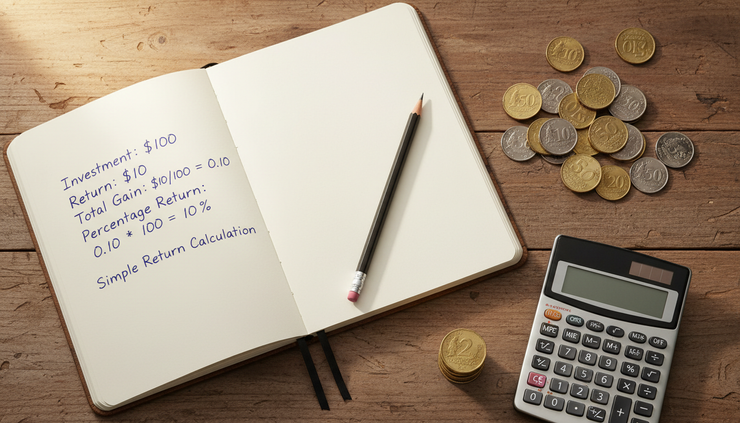
Return on investment is the clearest way to judge lead cost. The goal is to buy opportunities that become profitable customers.
That means the best lead price may change as the business improves. A company with strong follow-up, fast response times, clear pricing and good sales training may be able to profit from leads that another company finds too expensive.
The sales process matters as much as the lead source.
A few simple habits can improve ROI quickly:
Respond as soon as possible
Call more than once, at sensible intervals
Send a helpful follow-up message
Track every lead outcome
Review lost deals for patterns
Give feedback to the lead provider
Tighten qualification if unfit enquiries keep appearing
Lead generation works best when it becomes a feedback loop. The provider learns which leads convert. The business improves follow-up. The campaign becomes sharper.
A realistic way to set your lead budget
For most Australian businesses, the right starting point is not a huge spend. It is a clear test.
Set a budget that allows enough leads to judge quality, then measure what happens after each enquiry arrives. One or two leads will not tell the full story. A proper test needs enough volume to see patterns in contact rates, sales fit and conversion.
A sensible lead budget should account for:
The target number of qualified leads
The expected cost range of $50 to $250 per lead
The sales team’s ability to respond quickly
The average value of a new customer
The time needed to test and improve the campaign
The campaign should then be reviewed against revenue, not just lead count. If the leads are converting profitably, the business can scale with more confidence. If they are not, the next step may be to adjust the offer, target area, qualification criteria or follow-up process.
Cheap leads can fill a spreadsheet. Quality leads can fill a calendar.
Get a tailored lead quote for your business
A general guide is helpful, but the right cost per lead depends on the details of the campaign. Industry, qualification level, target area, competition, intent and volume all affect what a qualified lead should cost.
For many businesses, $50 to $250 per qualified lead is a practical planning range. The best result is rarely the lowest number. It is the price that produces real enquiries, strong conversion rates and profitable customers.
If you want a clearer figure for your market, contact Compound Marketing Services for an obligation-free tailored quote. A tailored quote can map the lead criteria, target area and expected volume before you commit, so you can judge the opportunity on quality and ROI rather than guesswork.



Comments